If you’re considering a roof replacement, the question how long does a metal roof last is probably at the top of your list. The short answer: residential metal roofs can deliver 40 to 70 years of reliable protection, while premium metals like copper and zinc can push past 100 years. That makes metal one of the strongest long-term investments you can put on a house that you plan to keep.
Key Takeaways
-
Metal roofs typically last 40 to 70 years with proper care, making them 2 to 3 times more durable than asphalt shingles in most climates. Premium metals like copper and zinc can exceed 100 years.
-
Installation quality, metal type, and maintenance practices are the three biggest factors in life expectancy. A poorly installed roof, regardless of material, will fail early.
-
Standing seam metal roofs generally outlast exposed-fastener systems by decades, thanks to concealed clips that accommodate thermal movement and reduce leak points.
-
Modern metal panels offer impressive durability alongside energy efficiency and low maintenance, delivering long-term value that goes well beyond lifespan alone.
-
Metal roofing can be fully recycled at the end of its life, reducing landfill waste compared to most other roofing materials.
Average Lifespan of a Metal Roof
The typical lifespan for a residential metal roof falls between 40 and 70 years when properly installed and maintained. Most metal roofs comfortably outperform every common roofing alternative, delivering a long service life that few other roofing types can match.
How long does a metal roof last compared to asphalt shingles? Asphalt shingles often last between 15 and 30 years under typical North American conditions. A comparable metal roof can outlast asphalt shingles by 20 to 50 years, depending on the metal type, climate, and installation quality. Manufacturer warranties-often covering 30 to 50 years on finish and materials-serve as a practical indicator of expected service life across different roofing materials.
Lifespan by Metal Roofing Material
Not all metals age the same way. Different roofing materials bring different durability, corrosion resistance, and price points. Choosing the right metal type for your local environment is just as important as the raw life expectancy numbers.
Here’s how common residential options compare:
-
Galvanized or Galvalume steel panels: Galvalume steel roofs last 40 to 70 years on average in non-coastal areas with quality coatings. Thicker gauges and premium finishes push performance toward the upper end.
-
Aluminum panels: Aluminum often lasts 40 to 60 years, with superior corrosion resistance. Aluminum roofs are highly resistant to corrosion in coastal areas, making them a strong pick for humid or coastal climates.
-
Copper roofing: A copper roof can last over 100 years with proper maintenance. Copper develops a self-healing patina that protects against corrosion, often outlasting the structure it sits on.
-
Zinc roofing: Zinc roofs often exceed 80 to 100 years in lifespan, especially in mild, temperate climates where its natural patina provides ongoing protection.
Premium materials like copper and zinc can last over 70–100 years, which is why they’ve been used on historic buildings for centuries. Even older “tin roof” systems on heritage homes demonstrate how long a metal roof can last when maintained across generations. Higher-grade coatings and thicker gauge metal panels reliably extend the lifespan of a metal roof toward the upper end of each range.
Panel Systems: Standing Seam vs. Exposed Fastener
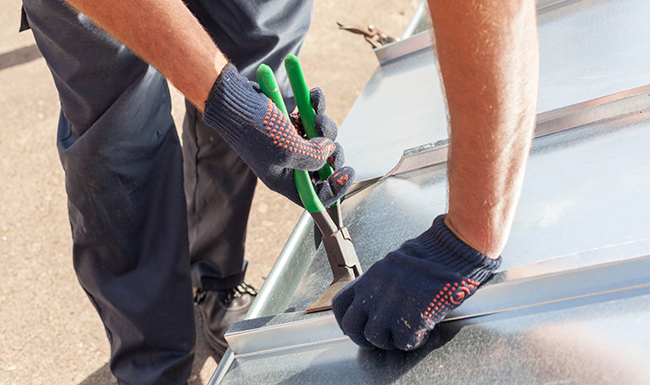
The panel system you choose has a major impact on how long your roof performs. The two main options are standing seam (concealed fastener) and screw-down (exposed fastener) systems.
Standing seam metal roofs:
-
Use concealed clips or interlocking panels that allow thermal movement without stressing the metal panels
-
Deliver a typical lifespan of about 40 to 70+ years with minimal maintenance
-
Handle extreme weather and wide temperature swings better, because raised seams and floating clips reduce leak risk as the roof ages
-
Support clamp-on solar panels without penetrating the roof’s surface, preserving waterproofing integrity
Exposed fastener panels:
-
Screws penetrate through the panel face, making installation quicker and cheaper upfront
-
Provide a lifespan of about 20 to 30 years before significant refastening or partial replacement is usually needed
-
Repeated thermal movement can loosen screws and enlarge holes, especially in harsh weather climates with freeze-thaw cycling
Standing seam systems cost roughly 1.5 to 2 times more upfront, but the longer life, better weather resistance, and easier solar panel integration often make them the better value over a 50-year window.
Key Factors That Affect How Long a Metal Roof Lasts
The lifespan of a metal roof depends on more than the metal itself. Even a metal roof built with excellent materials can underperform if other factors are neglected. Here are the major influences:
-
Installation quality and detailing: Correct fastening, flashing, and underlayment selection prevent water infiltration. Poor sealing around penetrations is a frequent cause of premature failure.
-
Climate and extreme weather conditions: Hail, high winds, coastal salt spray, heavy snow, and freeze-thaw cycles all stress metal panels and coatings differently.
-
Paint systems and protective coatings: High-performance finishes like Kynar 500 fluoropolymer provide decades of UV and corrosion protection.
-
Roof design and pitch: Steeper roof slope sheds water and heavy rain more efficiently, reducing ponding and moisture buildup that shortens a roof’s lifespan.
-
Attic ventilation and attic insulation: Controlling condensation and heat buildup from below prevents underside corrosion on steel panels.
-
Owner maintenance practices: Regular inspections, debris removal, and prompt repairs keep small problems from becoming expensive ones.
Metal roofs are less susceptible to damage from thermal expansion than asphalt shingles, but neglecting any of these factors can still cut life expectancy by years. Metal roofs are highly resistant to extreme weather conditions, yet that resistance depends on the full system working together.
Installation Quality and Roof Design
Even the best metal roof can fail early if professional installation is missing. Proper installation is crucial for maximum longevity of metal roofs, and proper installation can extend a metal roof’s lifespan significantly beyond the baseline numbers.
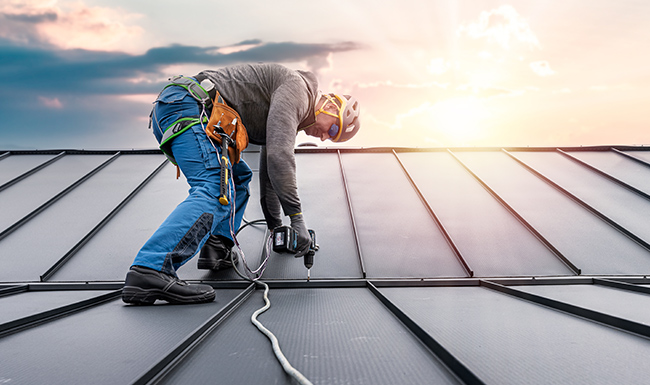
What matters most during installation:
-
Fasteners must be properly torqued with correctly seated washers
-
Flashing around chimneys, skylights, and vents must be sealed meticulously
-
Underlayment selection should match the climate and roof design
Roof slope plays a direct role in longevity. Roof slope affects lifespan by improving water drainage. Steeper pitches shed water and snow more effectively, reducing the risk of ice dams and ponding. Minimum pitch requirements differ among mechanically seamed standing-seam, snap-lock, and exposed-fastener panels. Complex rooflines with multiple valleys, dormers, and penetrations require particularly careful detailing to ensure durability when installed correctly.
Many manufacturers require that roofs be installed by certified contractors for warranty coverage. Working with experienced professionals who follow manufacturer specs keeps warranties valid and gives the roof its best chance at a full service life.
Climate, Coatings, and Energy Efficiency
Local climate changes how long a metal roof will last in practice. UV exposure, heavy rain, high winds, and humidity all stress the roof’s surface and finish over time.
High-quality coatings protect metal roofs from corrosion and environmental damage. A protective coating like Kynar-type fluoropolymer finish resists fading, chalking, and corrosion for 30 to 40 years, preserving both the roof’s appearance and structural integrity. In humid or coastal climates, aluminum or specially coated steel panels resist salt-driven corrosion far better than standard galvanized options.
Coatings also connect directly to energy efficiency. For metal roof propertyowners in Florida, consider which type of metal and the color that you install. Light, reflective “cool roof” colors can lower cooling costs significantly-metal roofs can lower cooling bills by up to 25% in hot regions. Lower surface temperatures reduce thermal movement and stress on panels, indirectly extending metal roof life. That combination of energy savings and durability is why many homeowners in sun-heavy states now treat metal roofing as a dual investment in protection and energy performance.
Maintenance Practices and Real-World Longevity
Metal roofs require very little maintenance over their lifespan, but “low maintenance” does not mean “no maintenance.” Routine maintenance can extend the life of metal roofs well beyond the standard estimates, and metal roofs require minimal maintenance compared to shingles to stay in top shape.
Simple ongoing maintenance that makes a real difference:
-
Annual inspections: Check for loose fasteners, sealant wear, and minor panel damage. Annual inspections help catch issues before they affect lifespan.
-
Gutter and valley cleaning: Remove accumulated debris that can trap moisture against the metal, accelerating corrosion.
-
Tree trimming: Cut back overhanging branches that scrape coatings or drop heavy limbs during storms.
-
Post-storm checks: After severe weather, look for dents, displaced ridge caps, or impact damage. Debris removal after storms prevents moisture from pooling.
Prompt repairs after minor issues are discovered prevent leaks that might otherwise shorten life expectancy by many years. Many roofing companies offer scheduled inspections and post-storm checkups, making occasional cleaning and monitoring even easier for homeowners who prefer a hands-off approach.
Metal Roof vs. Asphalt Shingles: Lifespan, Cost, and Value
The comparison between metal roofing and a shingle roof comes down to upfront cost versus long-term value.
|
Factor |
Metal Roof |
Asphalt Shingles |
|---|---|---|
|
Typical lifespan |
40–70 years |
15–25 years |
|
Roof replacement frequency (over 60 years) |
Usually once |
2–3 times |
|
Wind resistance |
Up to 140 mph |
60–130 mph |
|
Fire, snow, hail resistance |
High |
Moderate |
|
Maintenance level |
Minimal maintenance |
Moderate (curling, cracking, granule loss) |
Metal roofs are 2 to 3 times more durable than asphalt shingles, and metal roofs can withstand extreme weather better than shingles-they’re resistant to high winds, snow, and fire. While a metal roof usually costs 2 to 3 times more upfront, it avoids at least one full roof replacement over the same timeframe, meaning fewer replacements and fewer repairs long-term.
Metal panels resist cracking, curling, and granule loss that plague aging shingles. They deliver reliable protection decade after decade, and that consistency translates into real savings compared to other roofing materials that degrade faster. Metal roofs can withstand wind speeds up to 140 mph, a threshold that most shingle roofs cannot approach.
How a Metal Roof Can Affect Property Value and Comfort
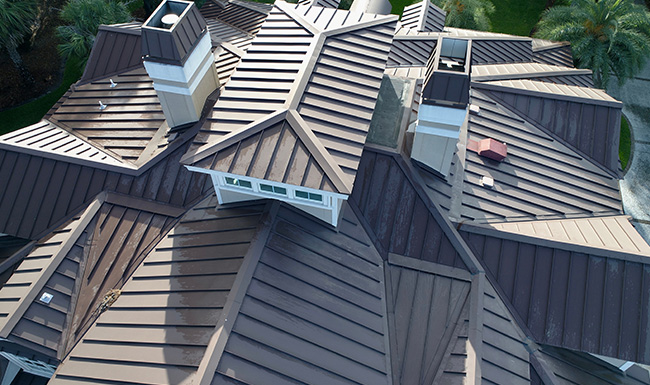
A new metal roof is often marketed as a “last roof” investment-and for good reason. Many property owners find that a metal roof can cover the home’s remaining life, eliminating repeated replacement cycles.
In many U.S. real estate markets, a metal roof can increase perceived property quality and raise resale value by a few percentage points. Buyers appreciate the long remaining lifespan versus older asphalt shingles nearing the end of their service life.
Comfort benefits are tangible:
-
Better control of attic temperature when combined with proper ventilation and insulation
-
Lower cooling costs from reflective coatings, reducing summer heat gain, and monthly energy bills
-
Metal roofing can be fully recycled at the end of its life, reducing landfill waste, an increasingly important factor for environmentally conscious buyers
Despite common myths, metal roofs attract lightning no more than any other roofing material. Lightning strikes are determined by height and geography, not roofing type.
While exact value increases vary by region, a durable, attractive metal roof with strong energy performance generally makes a home easier to sell and more comfortable to live in.
FAQ
These questions address practical concerns that go beyond the basics of lifespan covered above.
How often should I have my metal roof inspected?
Most homes benefit from a professional inspection once a year, plus an extra check after major hail, wind, or ice storms. Propertyowners can do simple visual checks from the ground or with binoculars, looking for loose panels, bent flashing, or accumulated debris. Catching issues like loose fasteners or damaged sealant early can add many years to a roof’s lifespan. Some warranties require documented periodic inspections, so keep basic records or receipts.
Will a metal roof be noisy during rain or hail?
Modern metal roofs installed over solid decking, quality underlayment, and adequate attic insulation are usually not noticeably louder than asphalt shingles during heavy rain. The old “loud metal roof” reputation comes mainly from open-framed barns or metal buildings without insulation. Additional sound-deadening underlayments can be added in noise-sensitive spaces if needed. In typical homes, most people do not find rain on a metal roof disruptive.
Can you walk on a metal roof without damaging it?
Many residential metal roofs can be walked on carefully, but technique and panel type matter. Step only where recommended by the manufacturer, usually closer to panel ribs or directly over the underlying structural support. Improper walking can dent panels, especially thinner gauges or softer metals like aluminum and copper. If you’re uncomfortable with heights or unsure about panel strength, hire a professional for inspections and maintenance.
Does a metal roof ever need to be repainted or recoated?
High-quality factory finishes can last several decades before noticeable fading or chalking appears. In areas with very intense sun or industrial pollution, recoating may be considered after 25 to 35 years to refresh the roof’s appearance and protection. Repainting requires compatible products and careful surface prep to avoid peeling or adhesion problems. Many homeowners never need to repaint, especially when they choose premium coatings from the start.
Can a metal roof be installed over existing asphalt shingles?
In many cases, a metal roof can be installed over one layer of existing asphalt shingles if local building codes allow it. A proper underlayment and furring strips or spacers create a smooth, ventilated surface for the new metal panels. Roofs with structural issues, multiple shingle layers, or severe moisture damage should be stripped before installing metal. Have an experienced installer evaluate your current roof deck before deciding on an overlay approach-this step protects both the warranty and the roof’s long-term performance.
(352) 293-2449